Reimagining Climate Futures Through Participatory Theatre
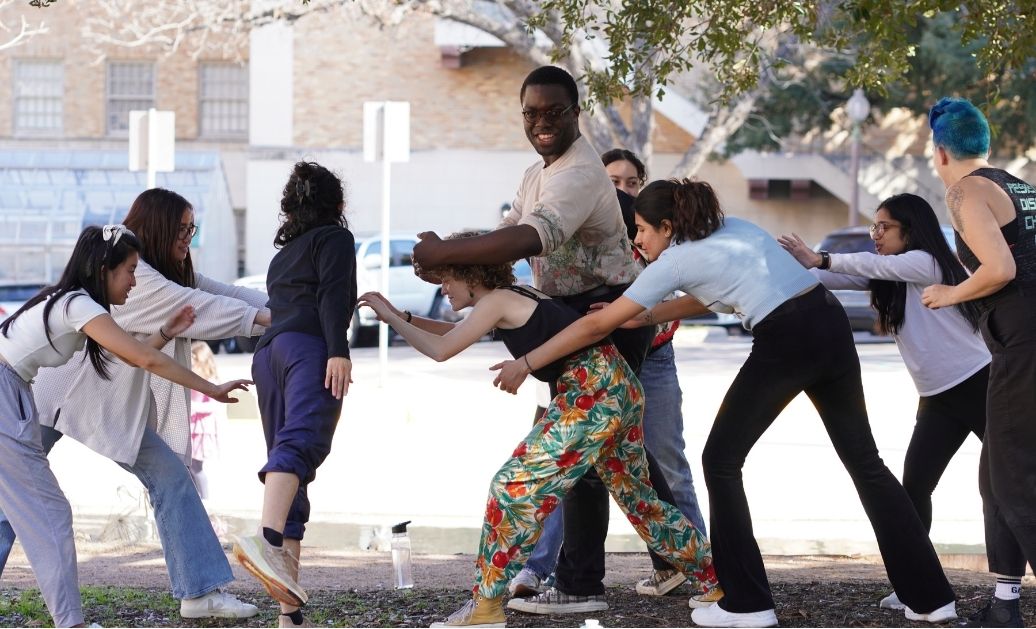
Designing arts-based learning experiences that help young people investigate climate change, agency, and collective action. #
The Opportunity #
Young people are surrounded by messages about climate change.
Many emphasize individual responsibility, catastrophic futures, or technological solutions, leaving little room to explore the emotional, relational, and systemic dimensions of the crisis.
Working first with youth environmental leaders at Austin Youth River Watch and later with undergraduate students at The University of Texas at Austin, we wanted to explore a different approach to climate communication—one that treated participants not as audiences to persuade, but as collaborators in investigating the questions that mattered most to them.
Rather than asking:
"How do we convince people?"
We asked:
How can participatory theatre help people investigate climate change together—and imagine new possibilities for collective action?
How We Got There #
This work evolved over four years through an ongoing cycle of design, facilitation, reflection, and redesign.
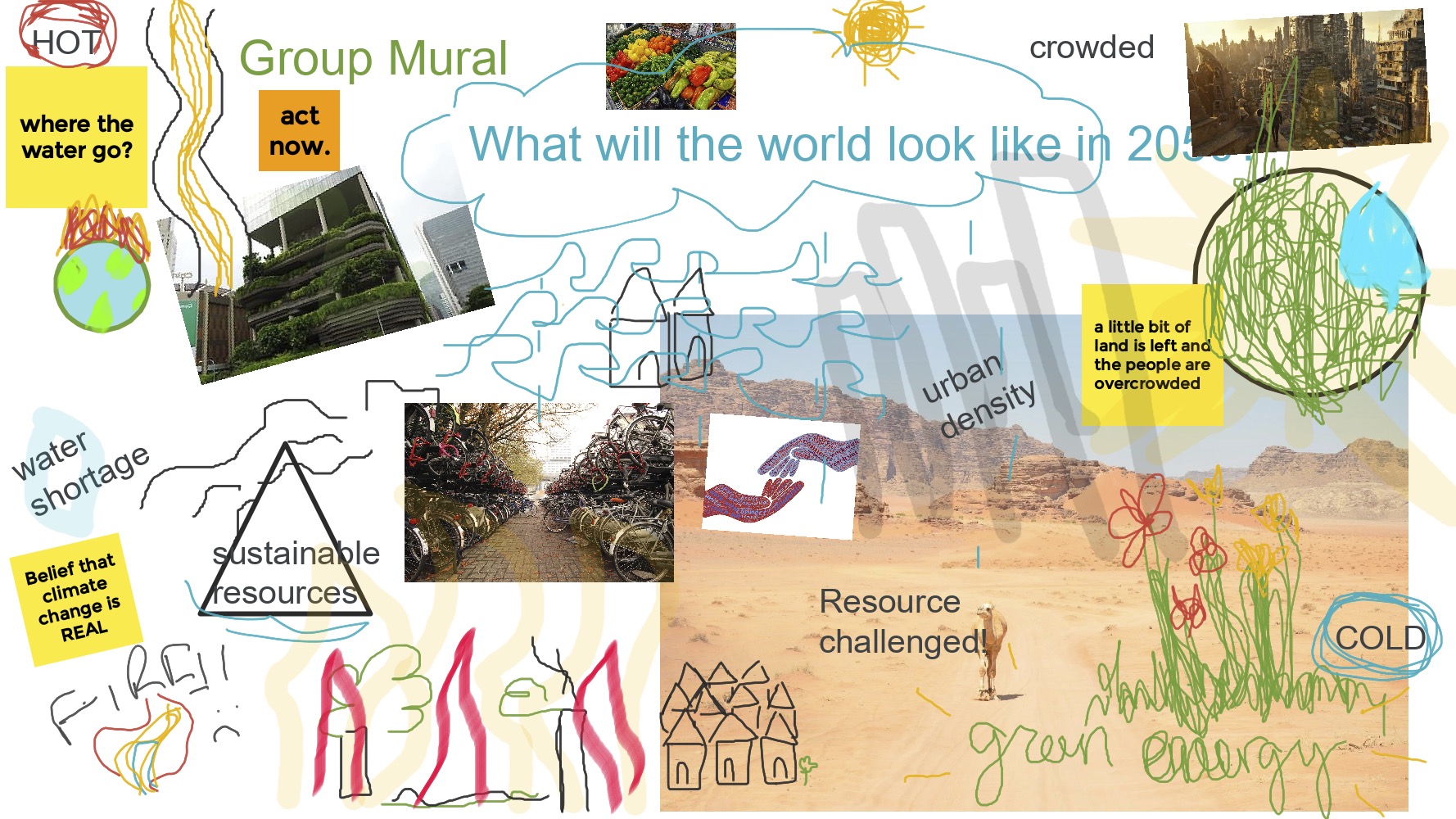
Beginning in 2020, I partnered with Austin Youth River Watch to develop Transmissions from 2050, a virtual participatory theatre project that invited youth environmental leaders to investigate climate change through storytelling, improvisation, and collaborative inquiry.
Insights from that first cohort informed an expanded in-person version during Austin Youth River Watch's 2021 summer programming, where we refined the curriculum, facilitation methods, and opportunities for participant leadership.
In 2023, I adapted those lessons again for undergraduate students at The University of Texas at Austin, creating A Green Moment to Share, a longer-form Theatre of the Oppressed process exploring climate change, environmental justice, and collective action.
Rather than repeating the same curriculum each year, every iteration became an opportunity to ask:
What did participants teach us, and how should that shape what we build next?
Build an ensemble #
Every project began with relationships.
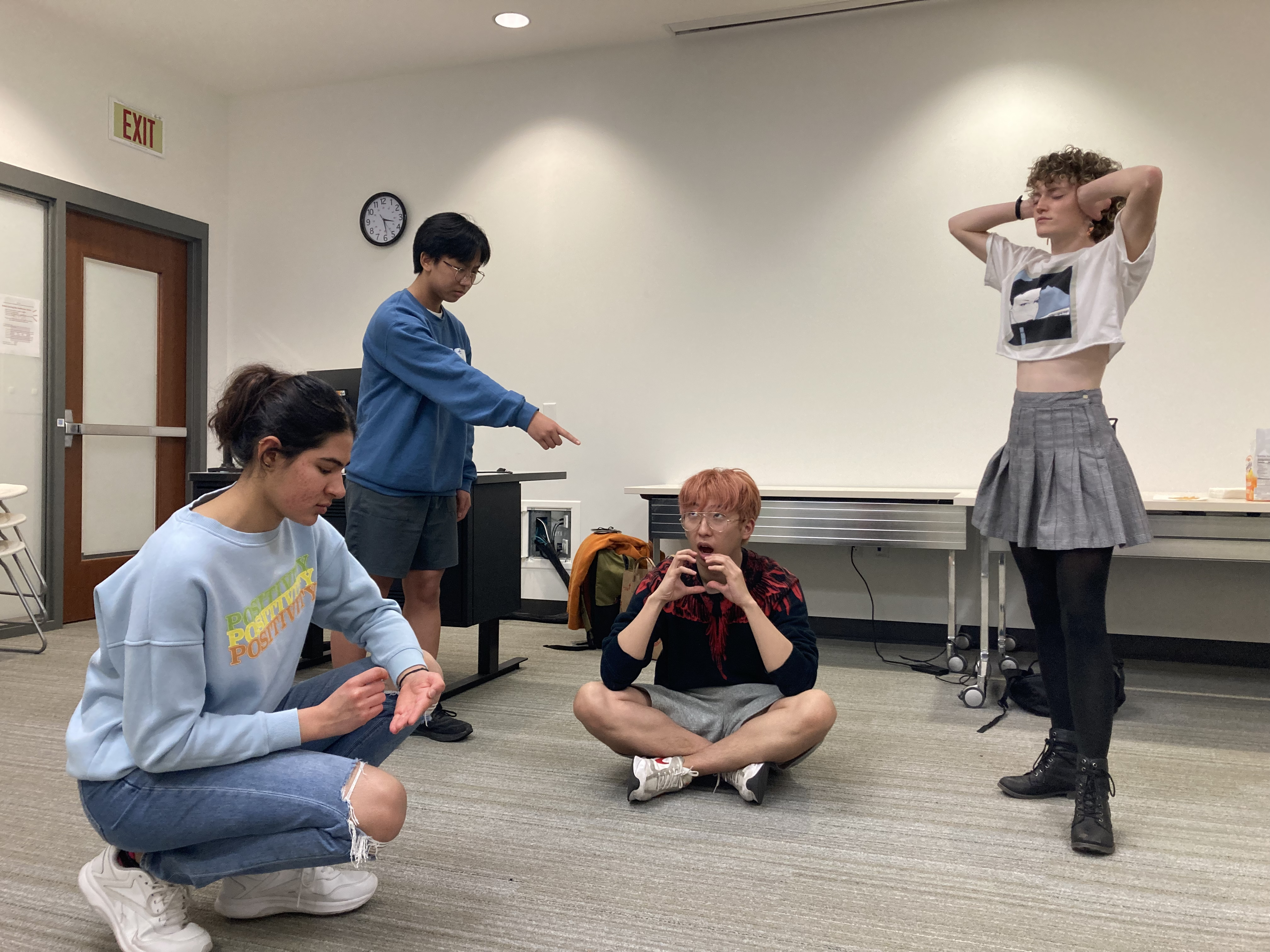
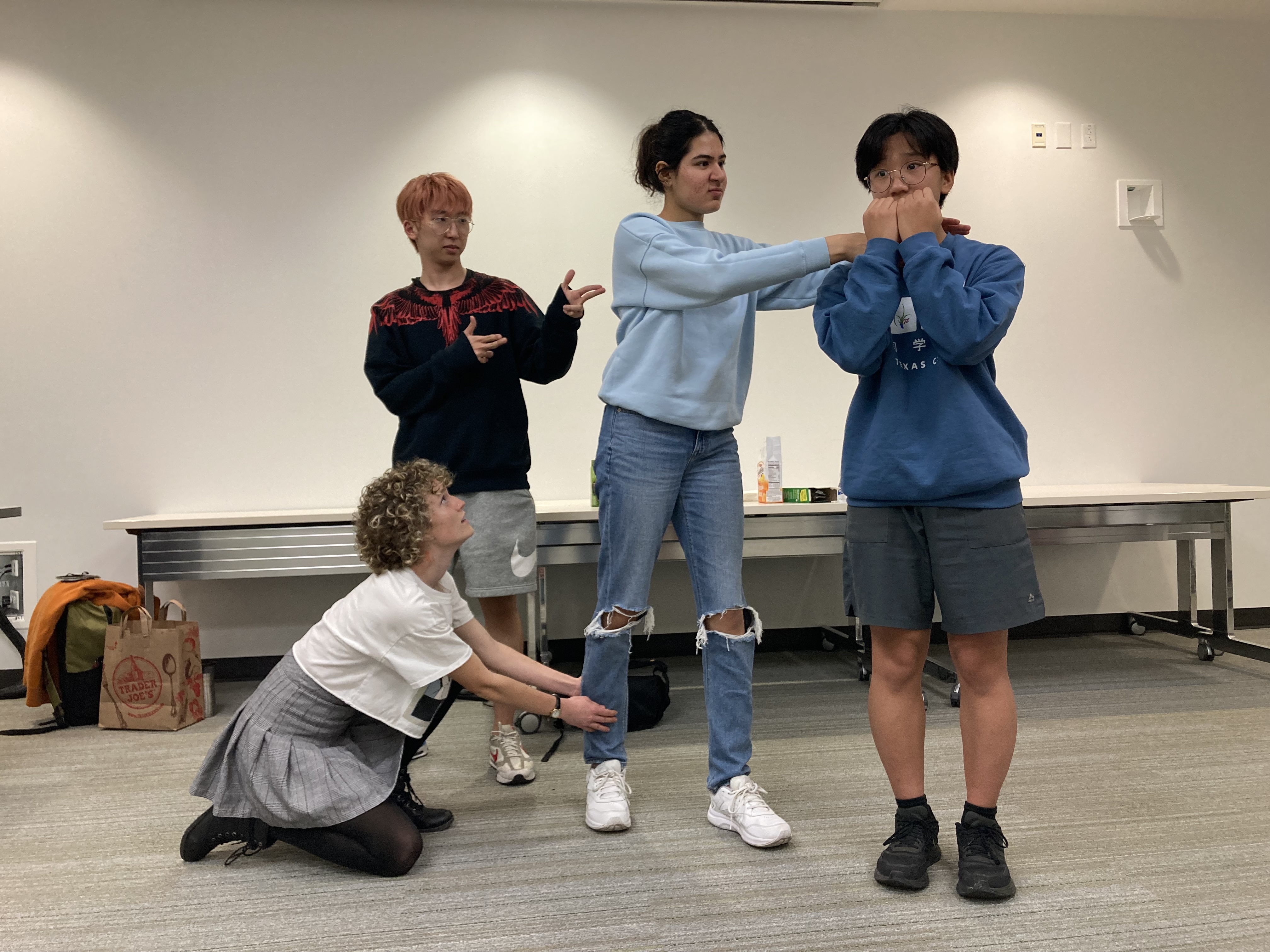
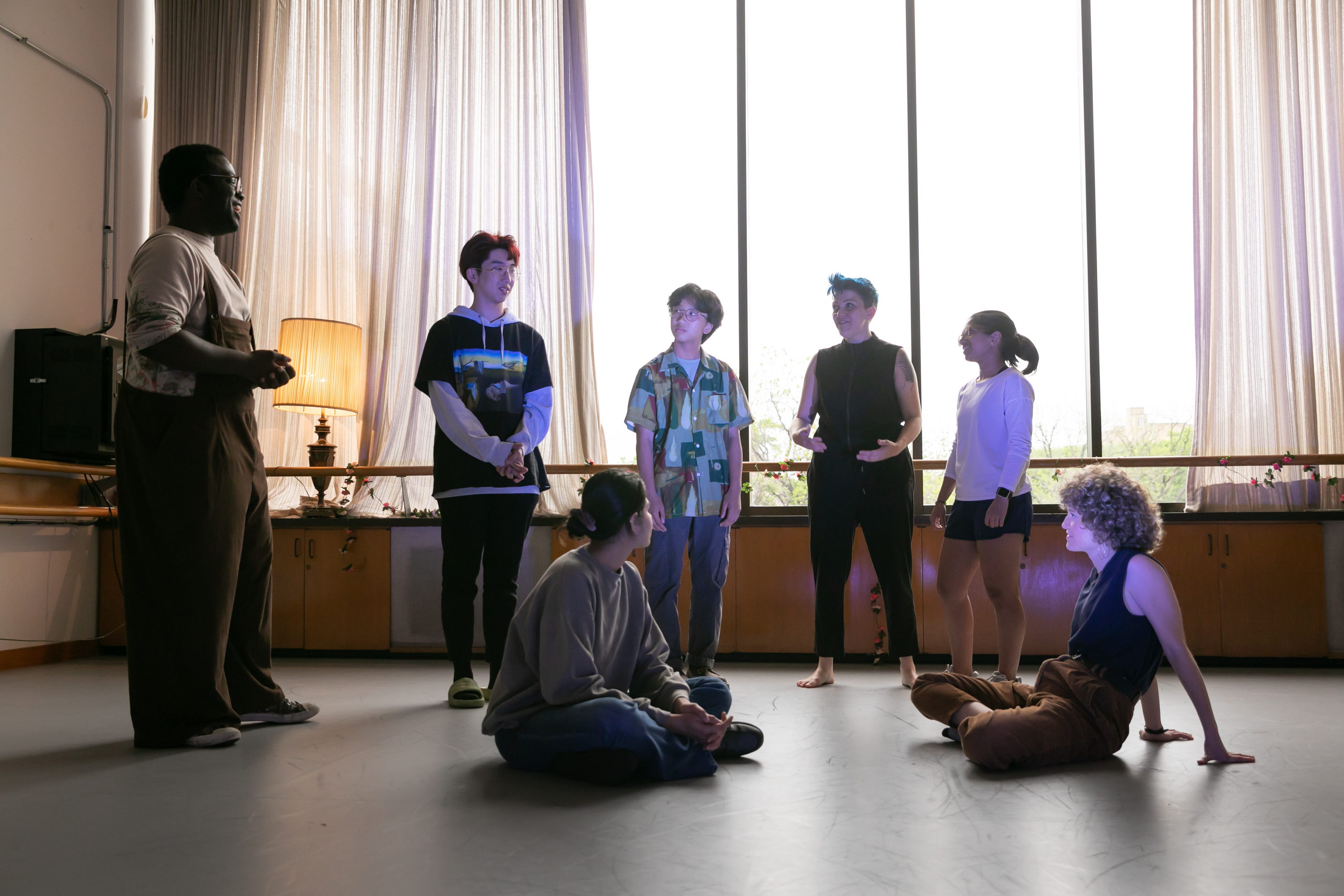
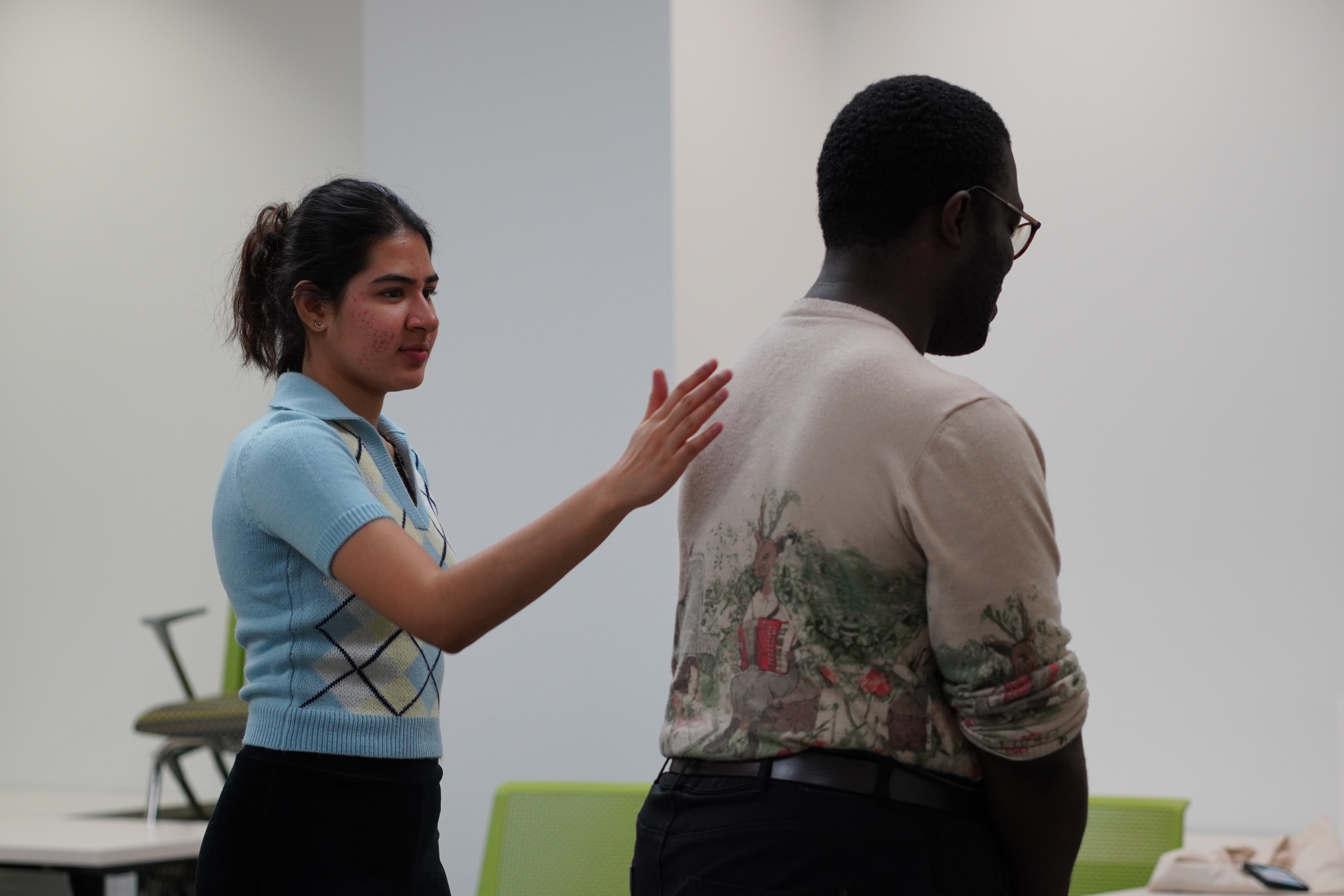
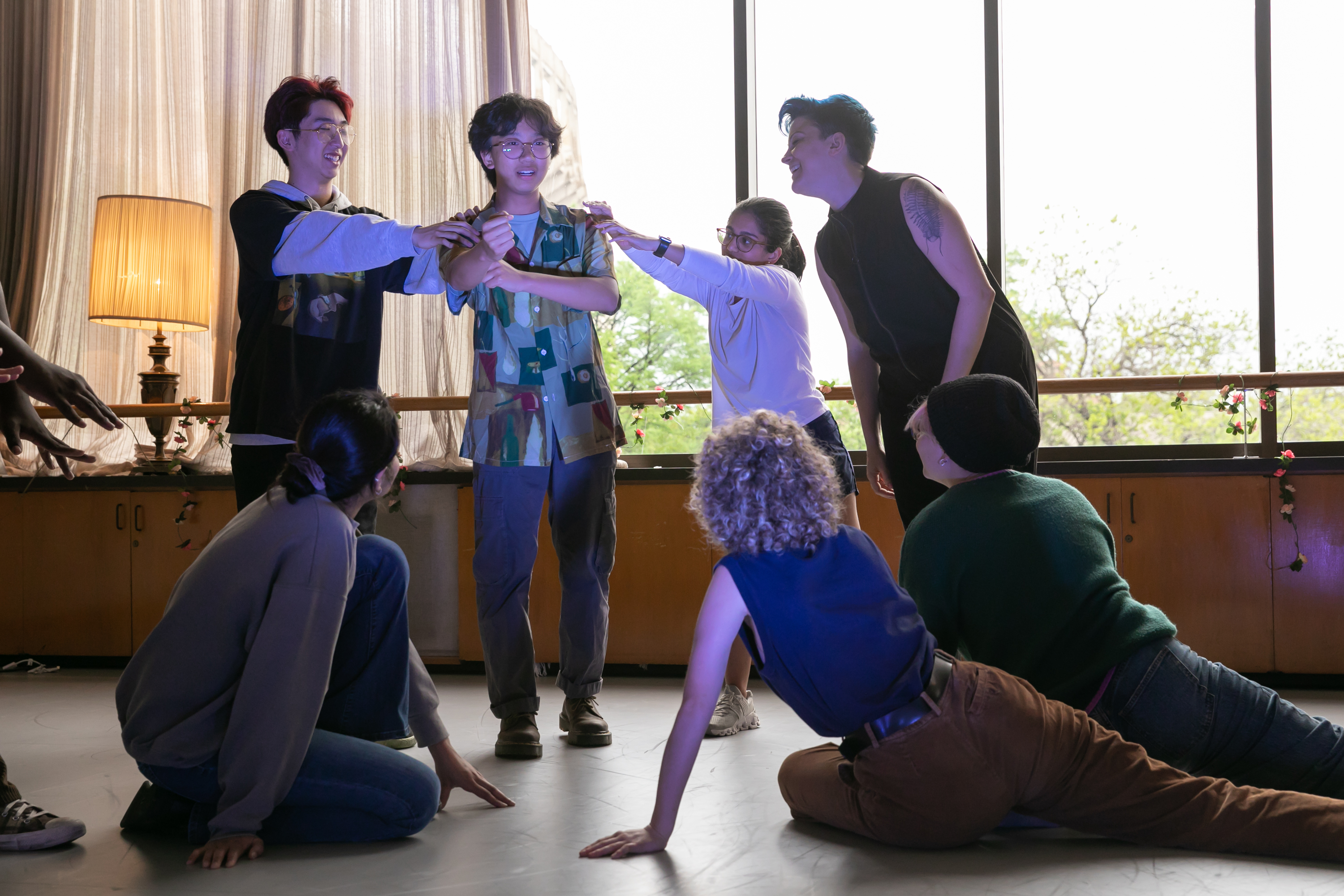
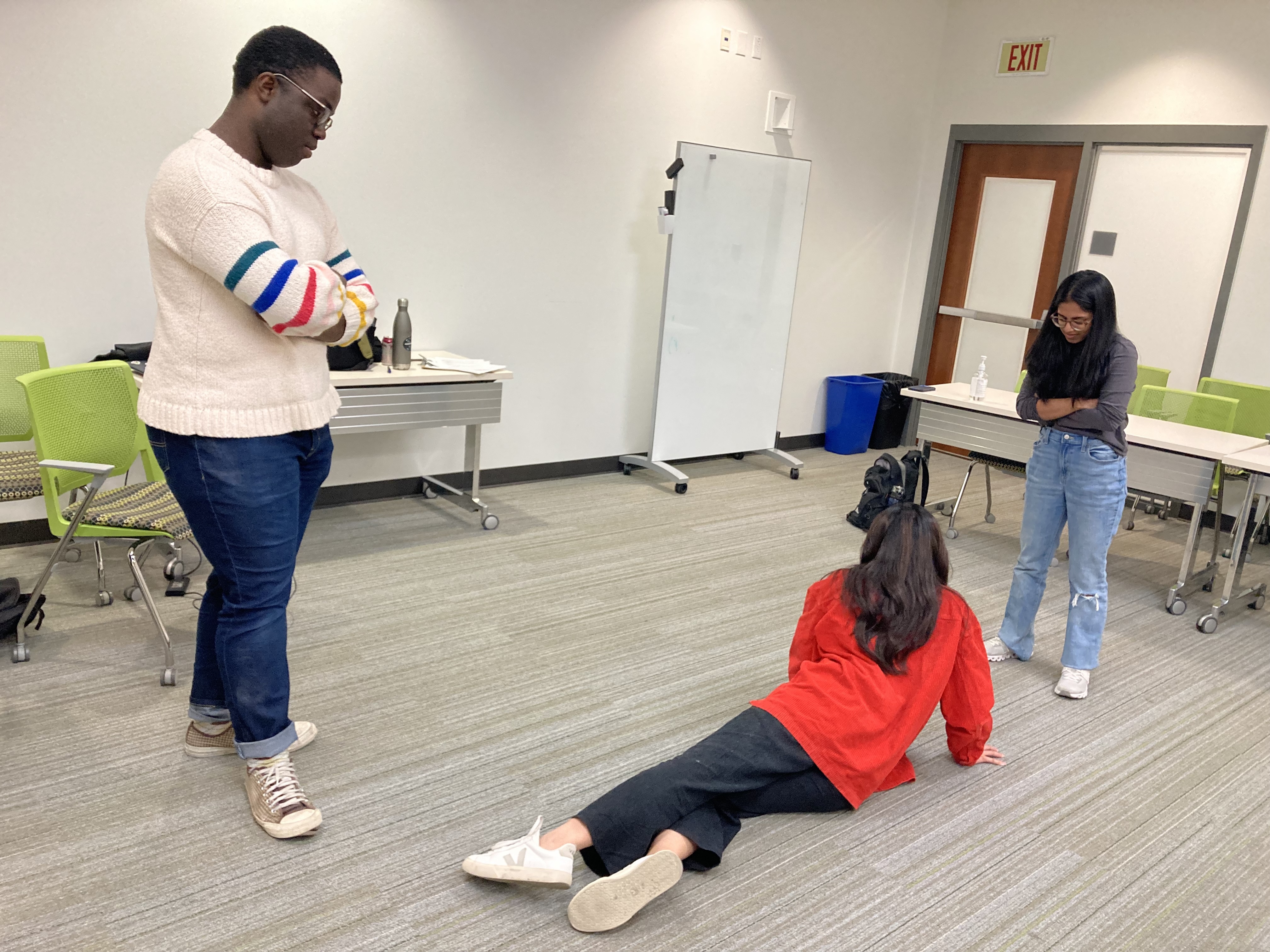
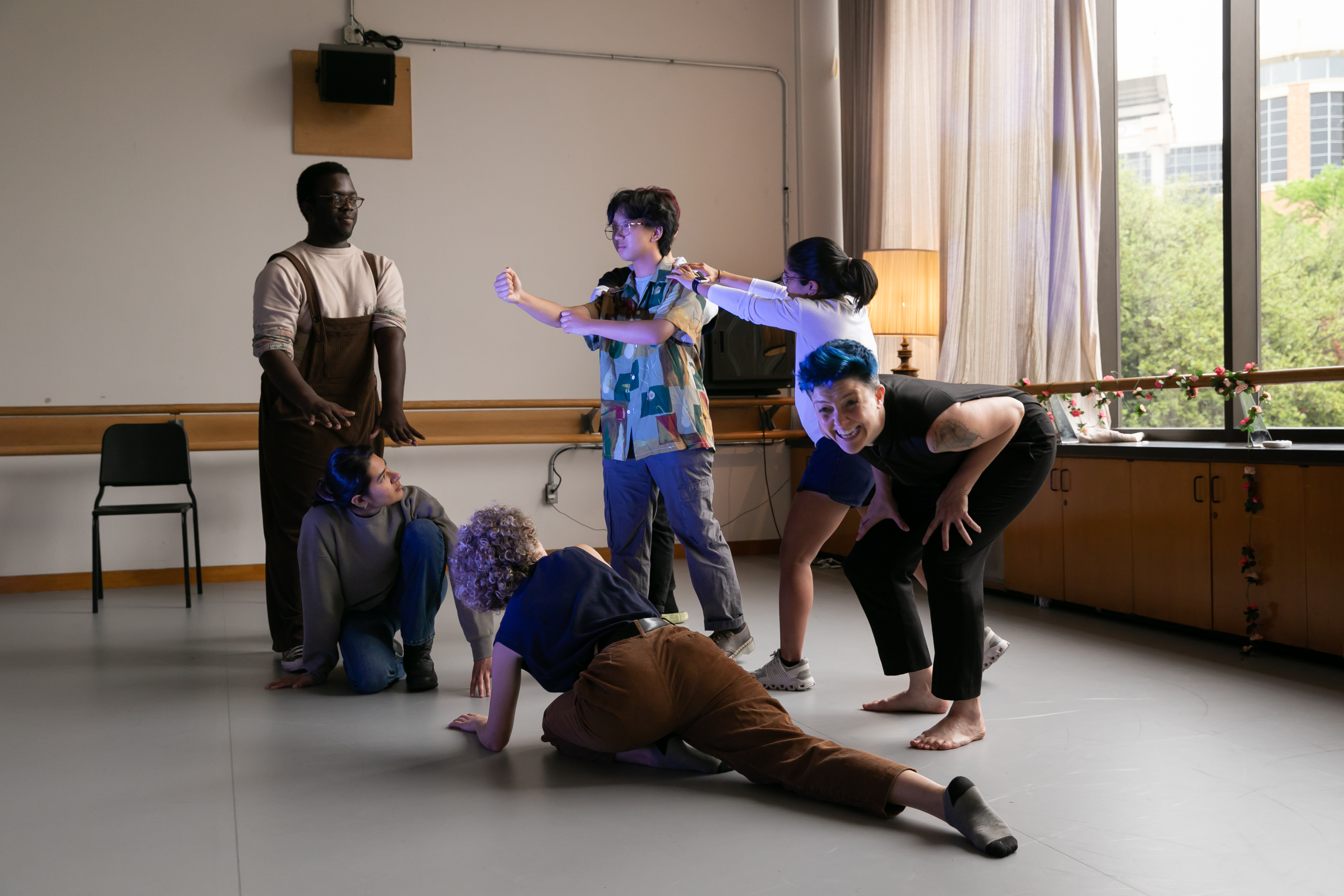
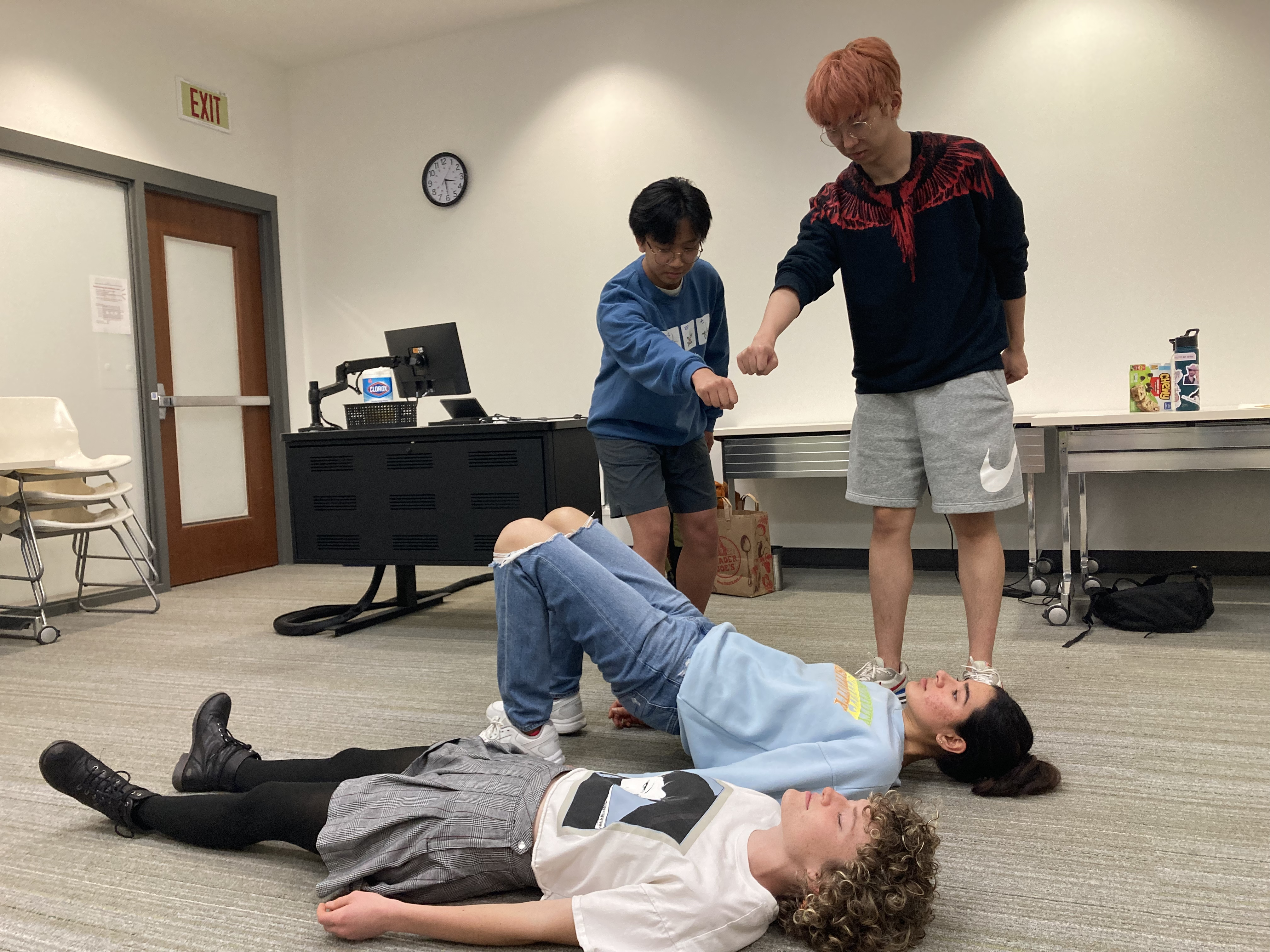
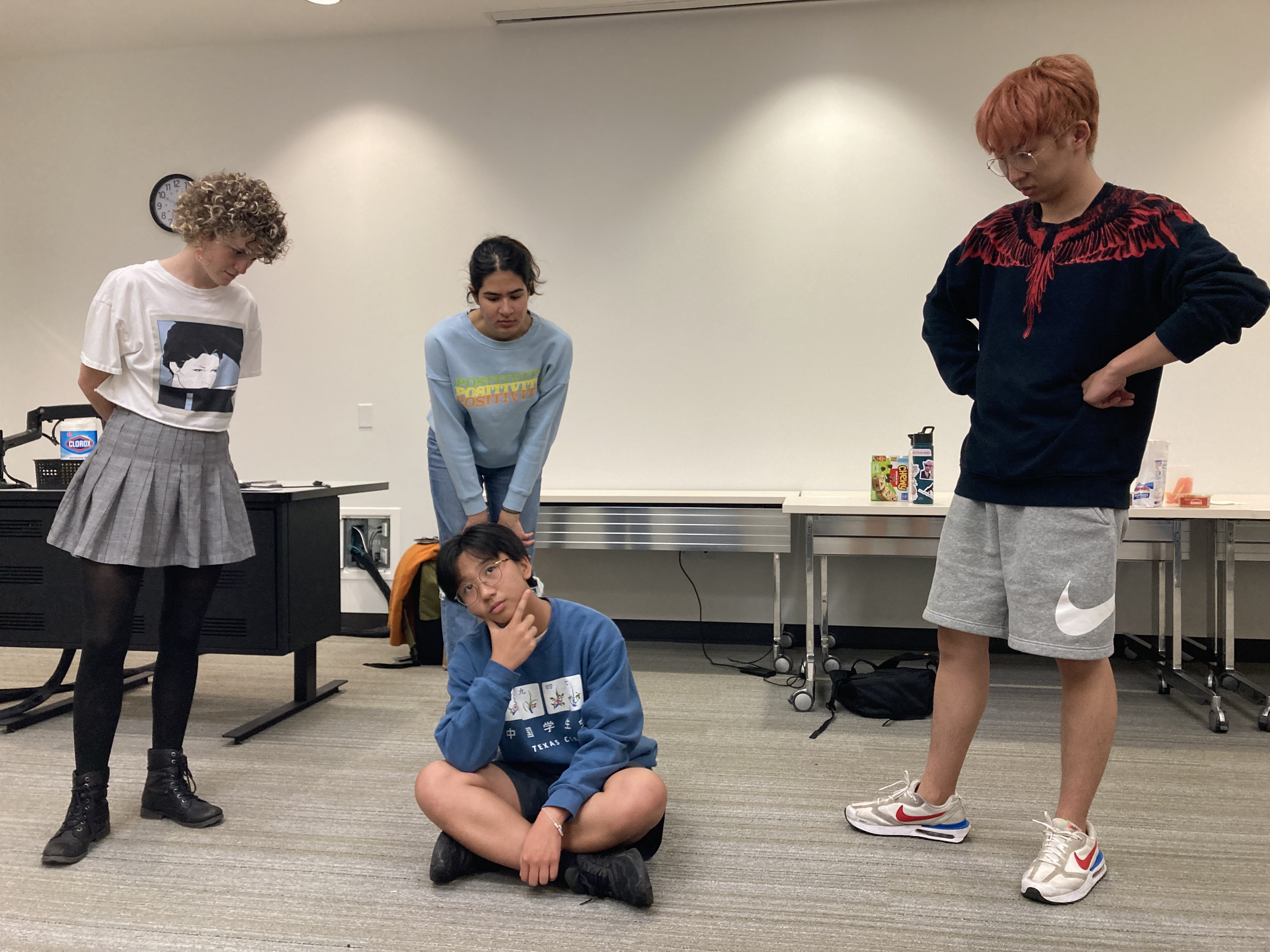
Whether working with youth environmental leaders at Austin Youth River Watch or undergraduate students at UT Austin, participants first built trust through theatre games, improvisation, storytelling, and collaborative reflection before exploring climate change together.
Creating a strong ensemble allowed participants to take creative risks, navigate disagreement, and support one another throughout the creative process.
Learn through inquiry #
Participants weren't given scripts.
They created them.
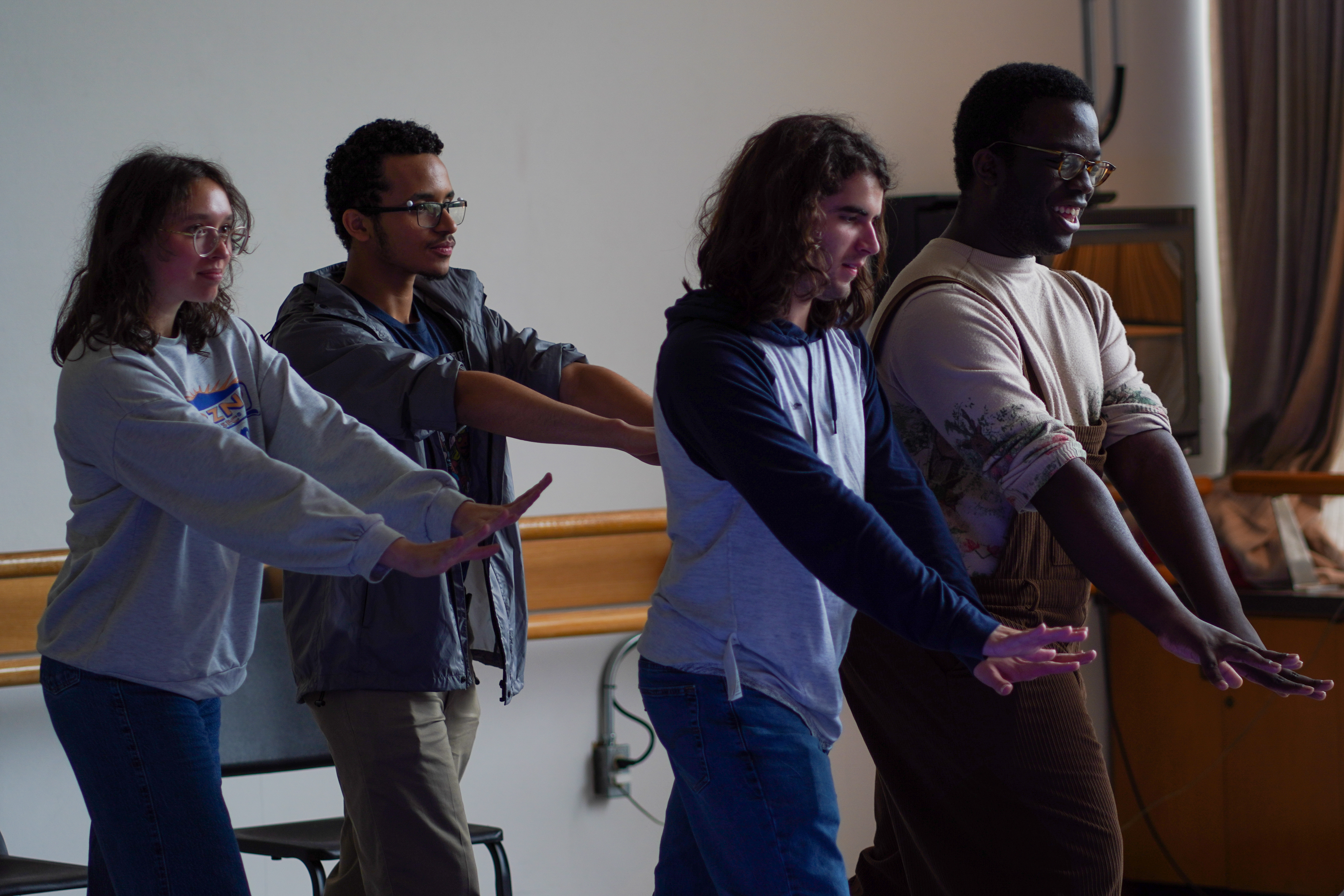
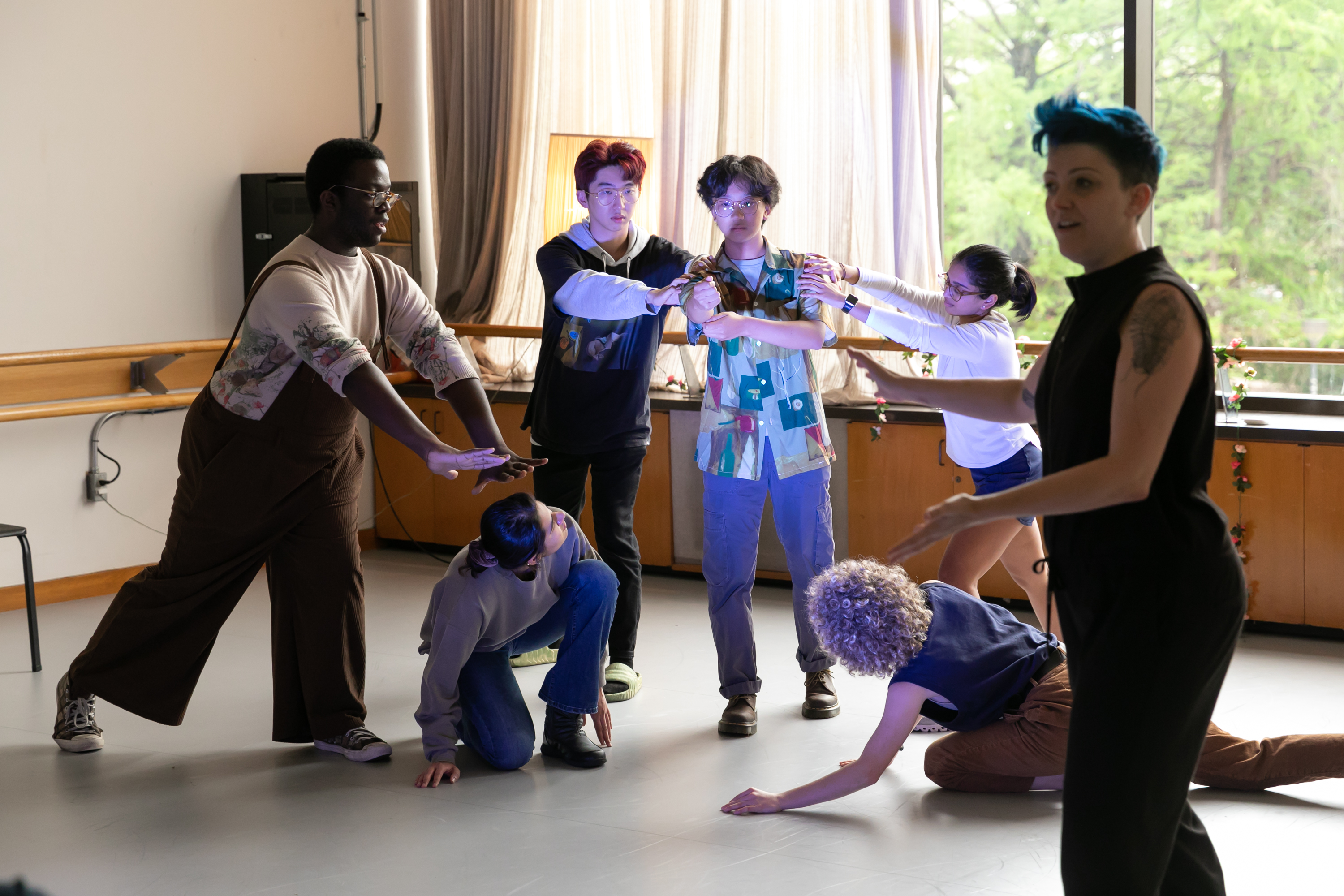
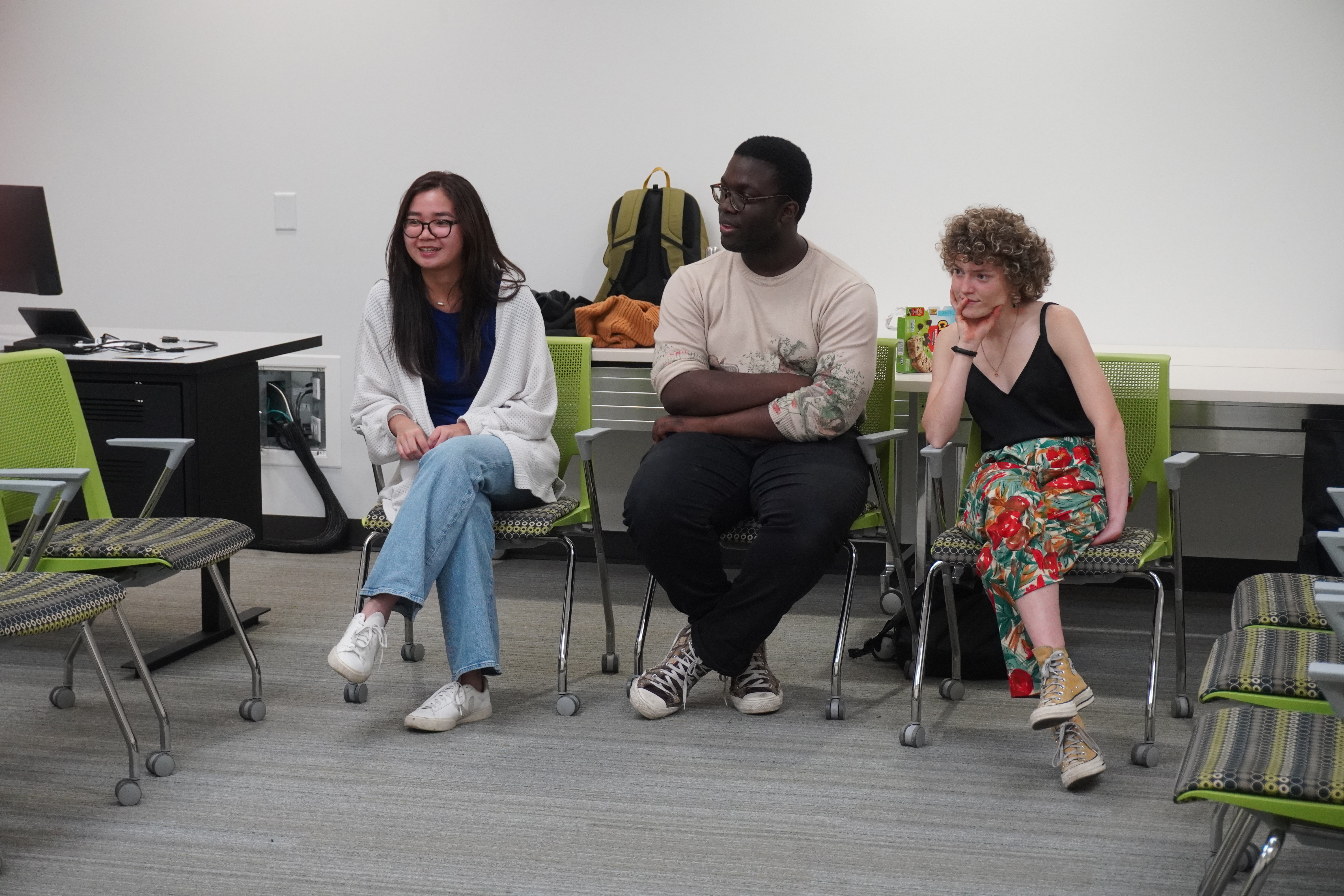
Across multiple weeks, participants interviewed climate scientists and community members, reflected on their own relationships with nature, investigated questions that mattered to them, and transformed those experiences into original performances.
Rather than communicating predetermined scientific conclusions, participants became co-researchers, using theatre to generate new questions and new ways of understanding climate change.
Learn. Reflect. Redesign. #
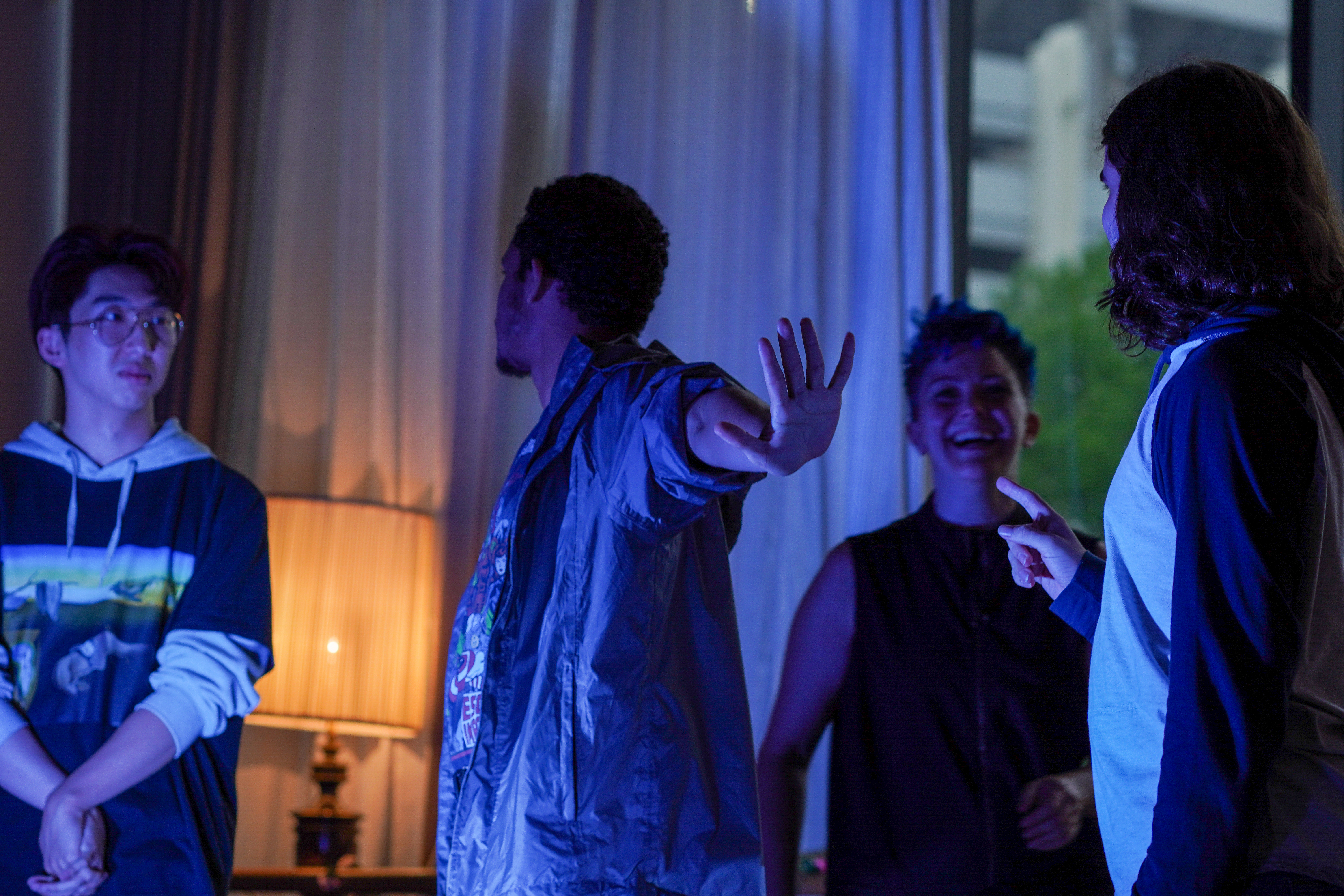
After each iteration, I reflected on participant experiences, facilitation notes, and emerging research questions to redesign the next version of the project.
That meant adapting activities, changing the sequencing of workshops, creating new opportunities for participant leadership, and refining how theatre, scientific inquiry, and public dialogue intersected.
Rather than treating the curriculum as fixed, the project itself became a living experiment in participatory learning.
Invite audiences into the conversation #
The final performances weren't designed as finished products.
They were invitations to dialogue.
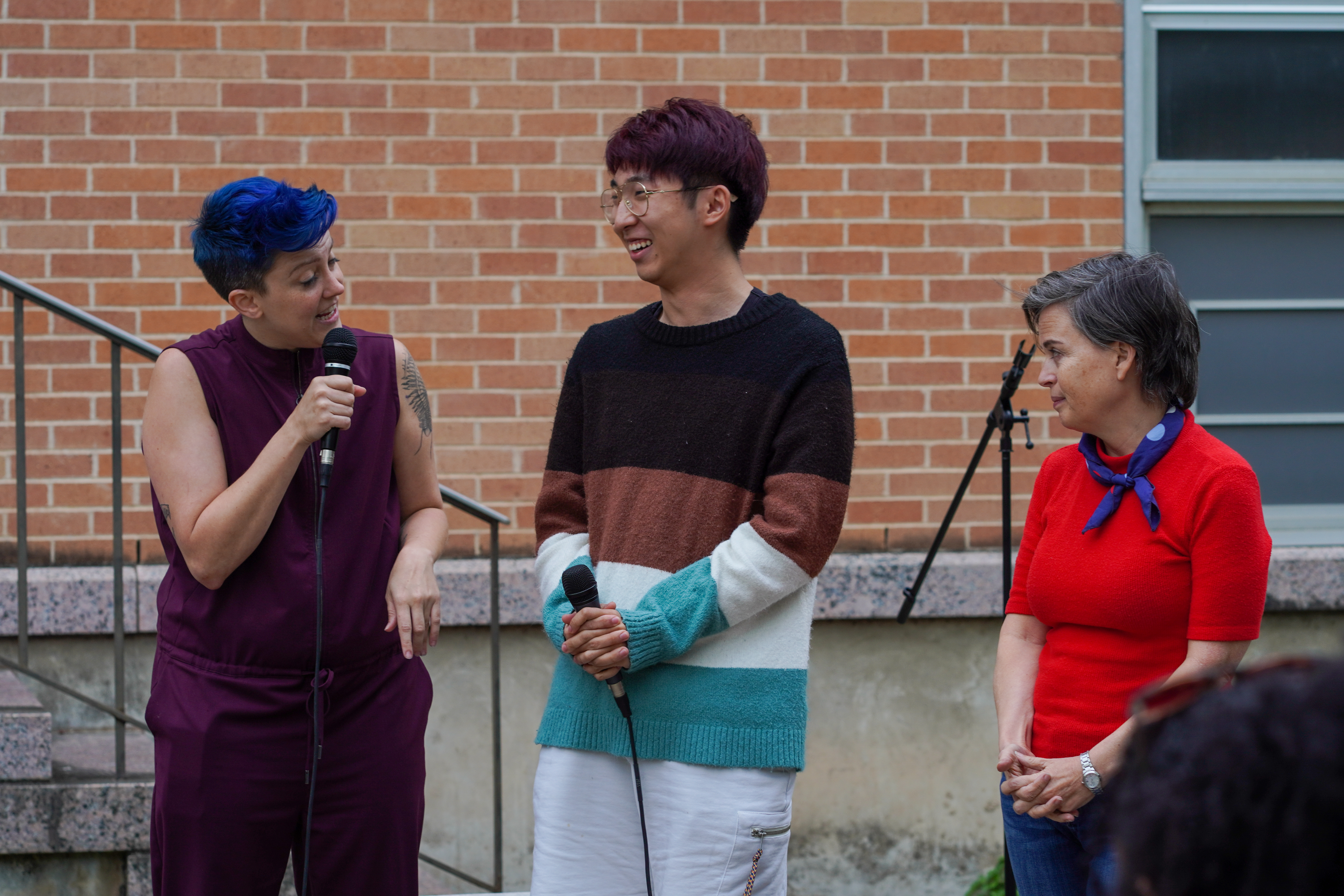
Audience members were encouraged to reflect, respond, and participate, transforming theatre from a performance into a shared space for learning, imagination, and collective inquiry.
Rather than leaving with a single message about climate change, audiences were invited to wrestle with uncertainty, complexity, and possibility alongside the performers.
Outcomes #
Across four years and multiple iterations, these projects demonstrated how participatory theatre can function simultaneously as education, research, and community engagement.
Each cycle informed the next, allowing the curriculum and facilitation approach to evolve in response to participants' experiences rather than remaining fixed from the outset.
Participants developed greater confidence discussing climate change, strengthened their facilitation and leadership skills, and created original performances that invited audiences into meaningful dialogue about environmental futures.
The work also contributed to broader research on arts-based science communication, illustrating how creative inquiry can surface perspectives and questions that traditional communication approaches often overlook.
Gallery #
Project Details & Resources #
- Organization: The University of Texas at Austin Office of Sustainability, Austin Youth River Watch, Planet Texas 2050
- Services: Learning Design • Facilitation • Applied Theatre • Participatory Research • Climate Communication
- Peer-Reviewed Publication: A Green Moment to Share: A Theatrical Laboratory to Explore Climate Crisis Possibilities within Single Moments
- Article: Using Theater to Uncover Youth Climate Change Narratives
- Talk: Planet Texas 2050 Symposium Lightning Talk
Looking for something similar? #
Whether you're engaging young people, facilitating community dialogue, or designing participatory research, I create learning experiences where people investigate meaningful questions together rather than simply receiving answers.
Every engagement is developed collaboratively and refined through reflection, helping organizations create programs that continue to evolve alongside the communities they serve.
Continue exploring #
← Climate Change Theatre Action