Designing Research-Informed Science Communication for the National Academy of Engineering
Translating research into engaging educational media that broadens participation in engineering. #
The Opportunity #
Engineering shapes nearly every aspect of modern life, yet its impact is often invisible to the people who benefit from it.
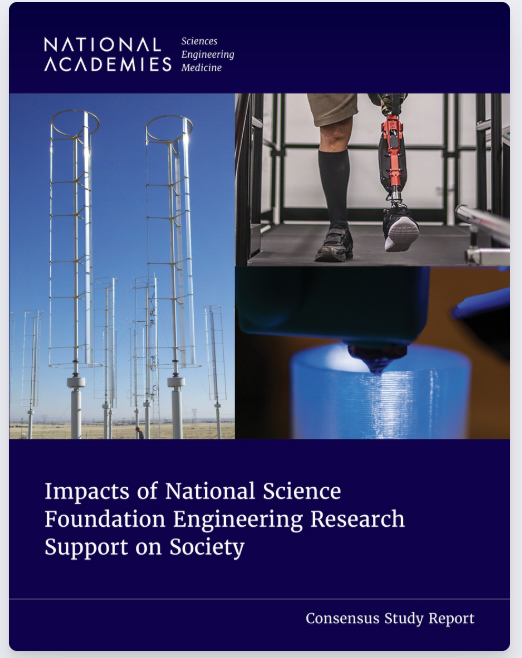
To celebrate decades of National Science Foundation investment in engineering research, the National Academy of Engineering launched an initiative highlighting how federally supported engineering has improved health, infrastructure, manufacturing, sustainability, and everyday life. Alongside documenting these stories, the project also sought new ways to broaden participation in engineering by helping more young people see engineering as creative, collaborative, and connected to the problems they care about.
Working in partnership with the Alan Alda Center for Communicating Science, the challenge was to translate research on engineering identity, audience perceptions, and science communication into engaging educational media that would resonate with prospective engineers.
Rather than asking, "How do we explain engineering?", we asked a different question:
How might we help more young people see engineering as creative, socially meaningful, and made possible through long-term public investment in research?
How We Got There #
As Project Manager, I coordinated the collaboration between the Alan Alda Center for Communicating Science and the National Academy of Engineering while helping guide the creative process from research to finished communication products.
My role combined project management, research synthesis, and learning design. I translated scholarship on engineering identity, public perception, and science communication into design guidance for undergraduate journalism students creating educational media.
As the project evolved, I also adapted to changing team capacity. When several planned student deliverables could not be completed, I partnered with Alan Alda Center colleagues and created many of the final communication products myself to ensure the project stayed on schedule and met its goals.
Throughout the project, my focus remained the same: helping every creative decision reflect both the research evidence and the needs of the intended audience.
Begin with research #
Every communication product started with evidence rather than intuition.
I synthesized research on engineering identity, audience perceptions, and effective science communication to identify themes, stories, and design approaches most likely to resonate with prospective students.
That research became the foundation for story development, messaging, and visual design.
Design collaboratively #
This project brought together communication researchers, educators, creative professionals, and undergraduate journalism students.
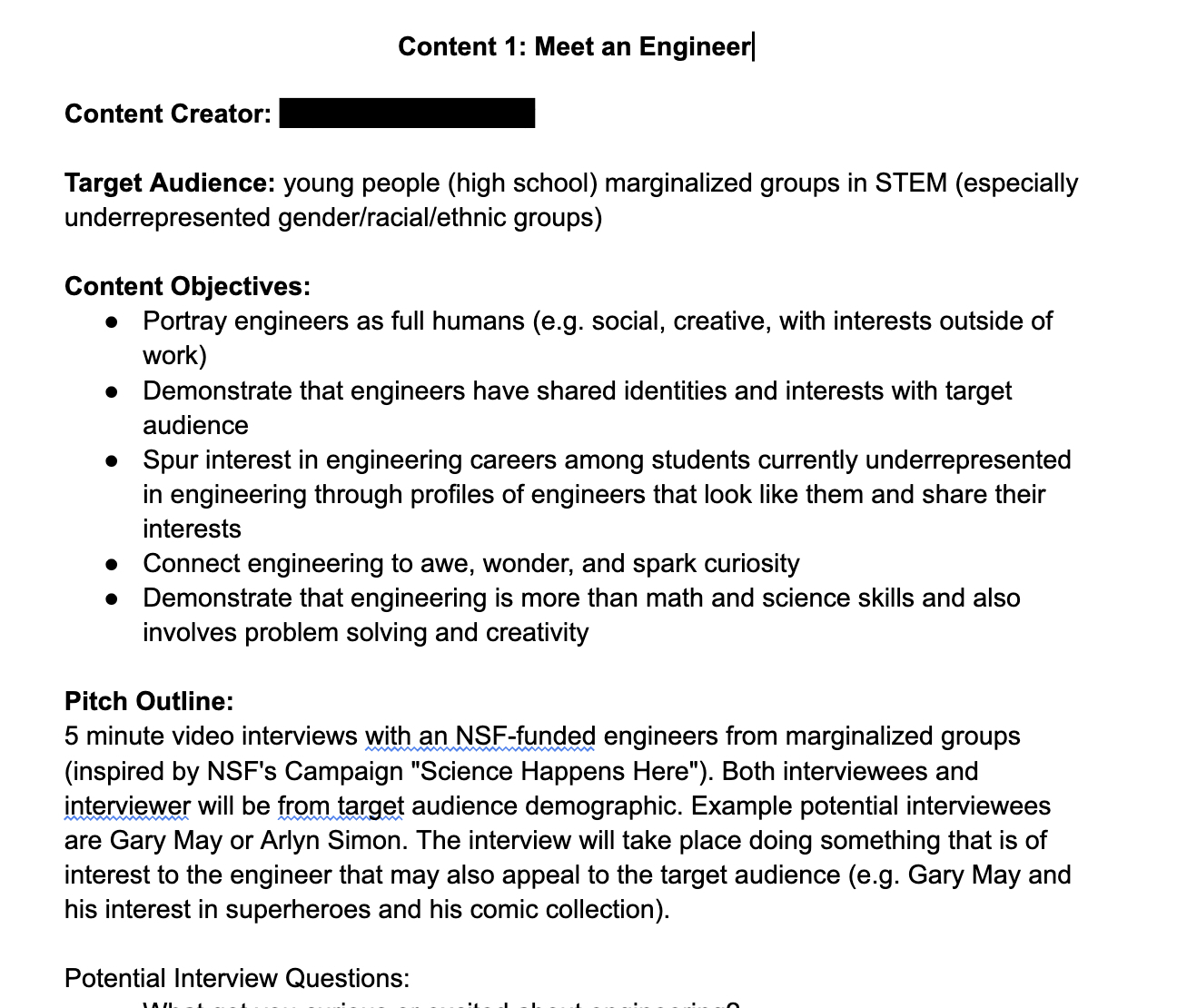
Working across disciplines, I helped translate research into videos, graphics, and interactive media while coaching students through an iterative design process grounded in audience needs.
As production needs shifted, I collaborated with Alan Alda Center staff and developed additional communication products to ensure the project delivered on its goals.
Test with the audience #
Rather than assuming the materials would resonate with students, we built audience feedback directly into the design process.
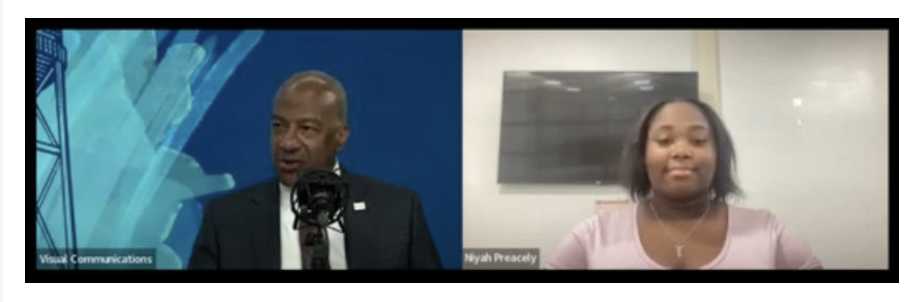
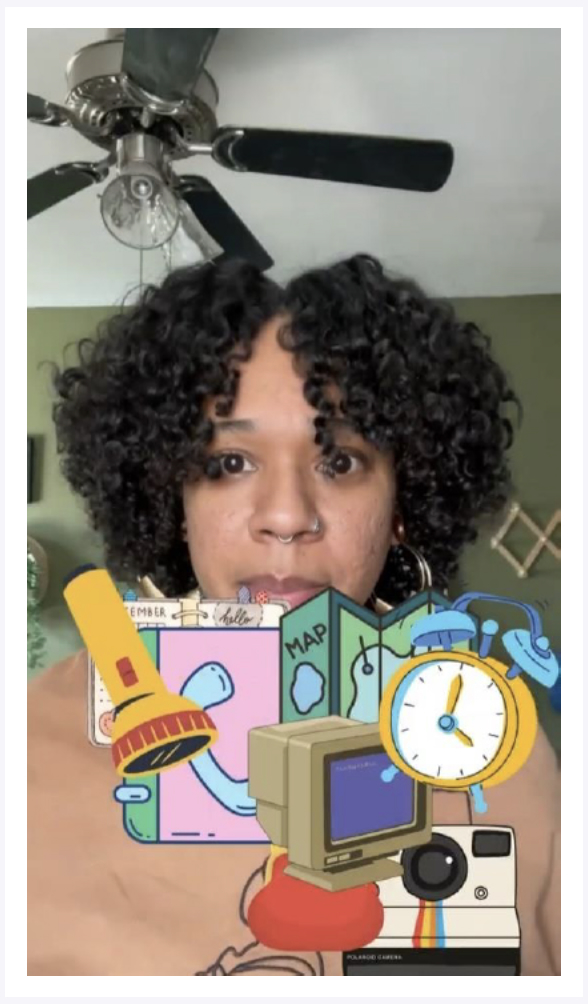
Working in partnership with the MIT Introduction to Technology, Engineering, and Science (MITES) program, we shared prototypes with high school students interested in STEM and invited them to critique the messaging, visuals, and storytelling.
Their feedback challenged our assumptions, highlighted opportunities to make engineering feel more accessible and relevant, and informed revisions throughout the project.
Evaluation wasn't the final step—it was part of the design process from the beginning.
Outcomes #
The collaboration produced a collection of research-informed educational media highlighting the societal impact of engineering while encouraging broader participation in the profession.
By combining communication research, creative development, and audience testing with students in the MIT Introduction to Technology, Engineering, and Science (MITES) program, the project demonstrated how iterative, evidence-based design can create communication that is both more engaging and more inclusive.
Featured by the National Academy of Engineering, the project illustrates how research, creative practice, and audience partnership can work together to inspire the next generation of engineers.
For me, the project also demonstrates a core part of my consulting practice: bringing together research, creative teams, and end users to produce communication that is grounded in evidence and shaped by the people it is intended to serve.
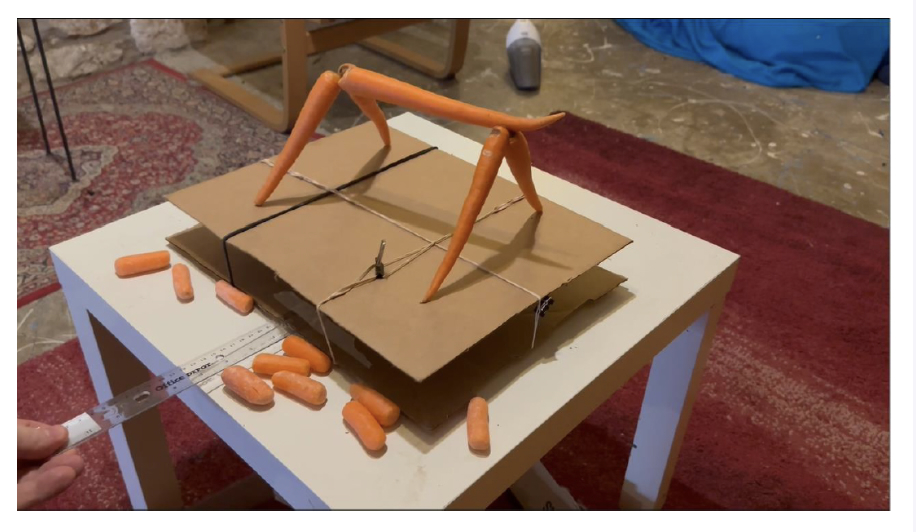
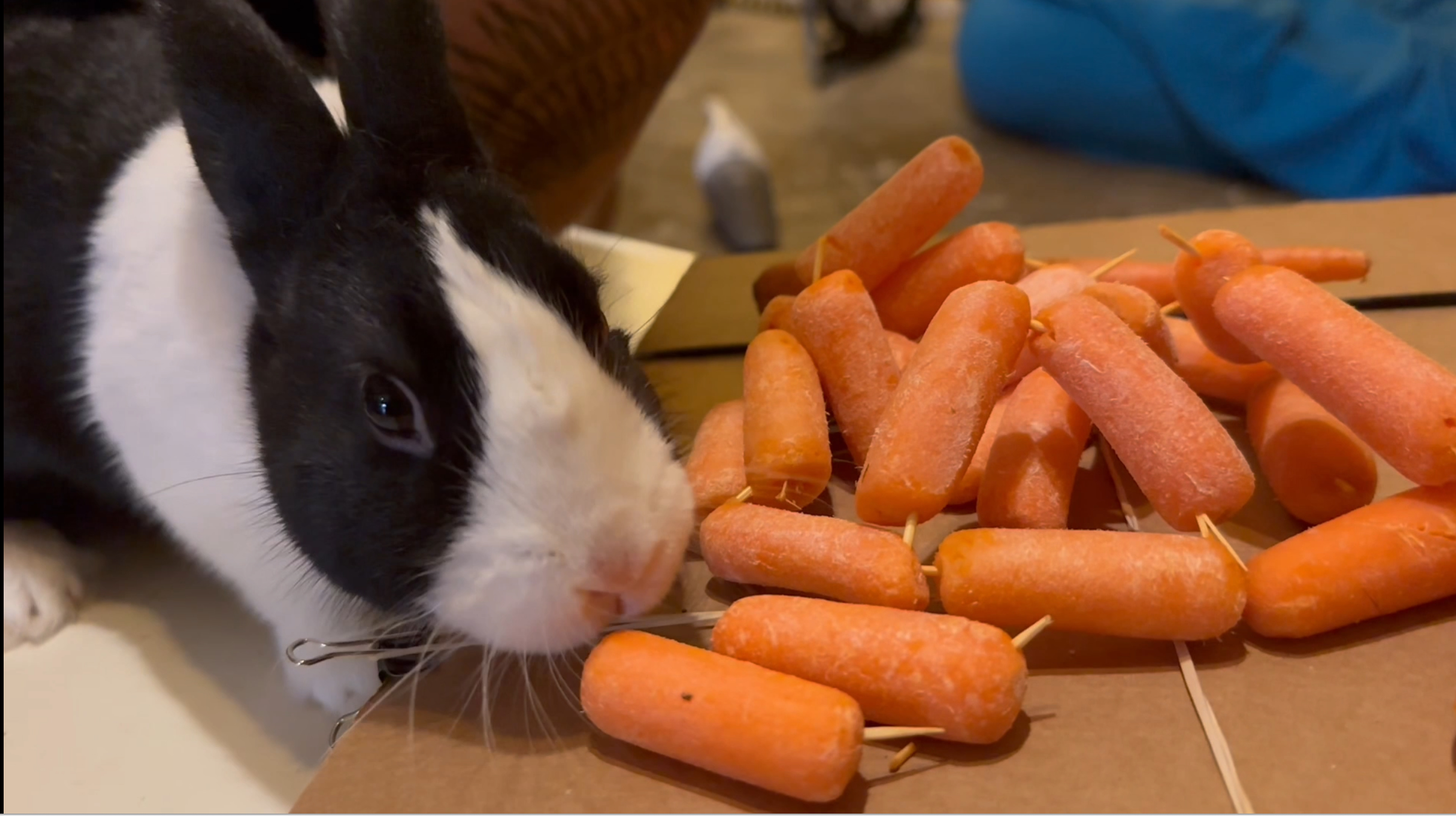
Exemplar: Bunny Shake Table #
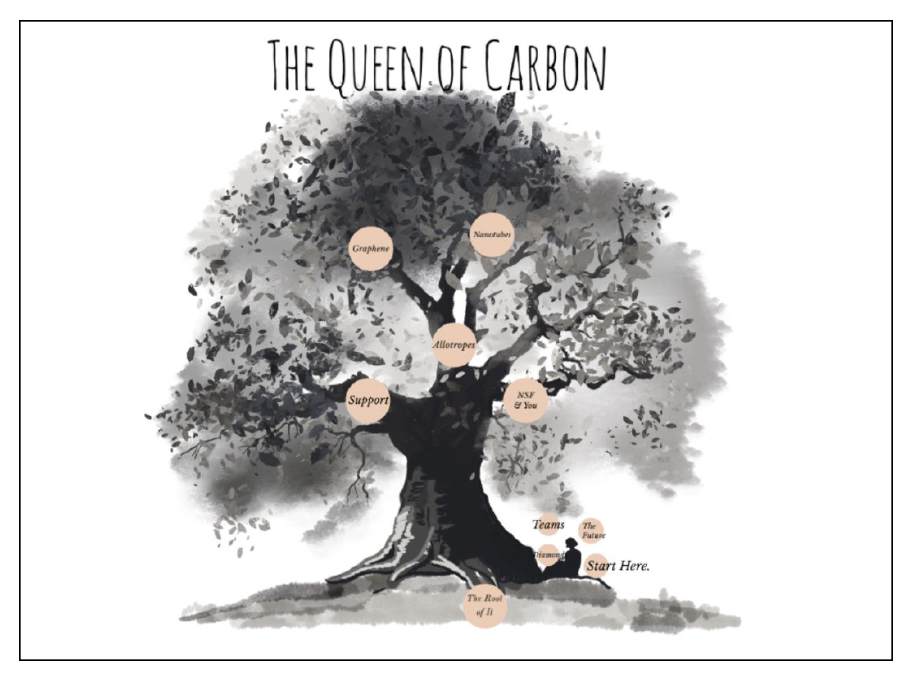
Exemplar: Carbon Queen Interactive Comic #
Project Details & Resources #
- National Academy of Engineering Webinar
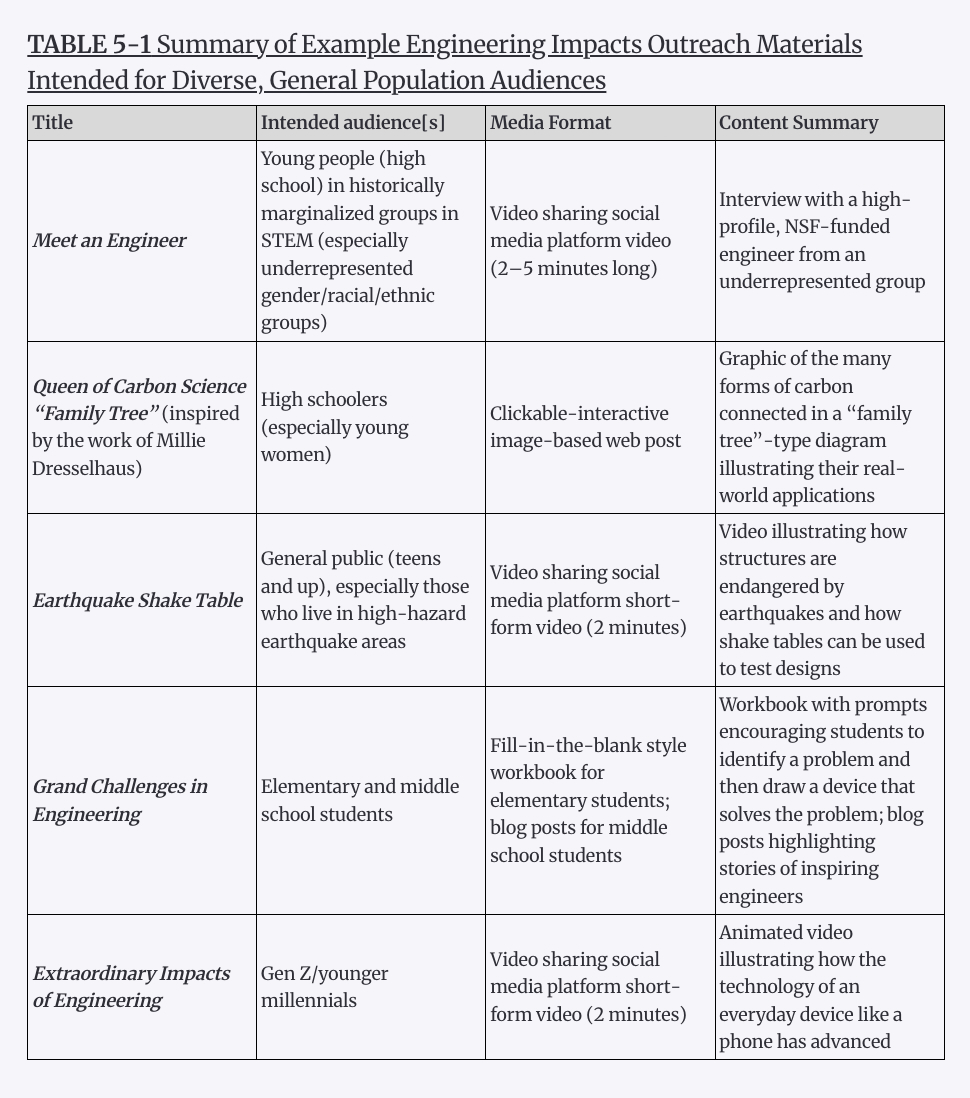
- Example Outreach Materials
- Organizations: National Academy of Engineering, Alan Alda Center for Communicating Science, and MIT Introduction to Technology, Engineering, and Science
- Services: Project Management • Learning Design • Strategic Communication • Audience Research • Evaluation
Looking for something similar? #
Whether you're translating research into educational media, designing audience-centered communication, or leading a collaborative creative project, I'd love to help develop communication that is grounded in evidence, shaped by audience insight, and designed for real-world impact.